

Sexual Assault Allegations: Privacy, Procedure, and Protection
Sexual assault and sexual violence cases in New Zealand: Understanding the Ministry of Justice process
Key Takeaways
- Sexual assault allegations carry significant legal penalties, including up to 20 years for sexual violation.
- Recent law changes in 2025 have strengthened privacy protections and automatic name suppression for complainants.
- Statistically, only a small fraction of sexual violence incidents lead to a police charge or conviction.
- Invoking your right to silence and seeking immediate legal advice are the most critical steps after an allegation.
- Specialised defence focuses on scrutinising evidence, challenging consent, and identifying inconsistencies.
Facing an allegation of sexual assault or sexual violence is one of the most stressful experiences a person can endure in the New Zealand criminal justice system. These cases are unique because they often involve private interactions where the only evidence is the word of one person against another. We have seen how quickly a reputation can be damaged by a single report to the police, regardless of the eventual outcome in court. Our experience shows that the complexity of these cases requires a calm, strategic approach from the very first moment of contact.
We understand that when you are dealing with such serious matters, you need straightforward answers. The legal system moves slowly, and the stakes involve your freedom, your career, and your future. Whether the allegation involves indecent assault or a more serious charge of sexual violation, the path forward requires a deep understanding of both the law and the human dynamics at play. We treat every case with absolute discretion, ensuring that your side of the story is heard and that your rights are protected against unlawful police conduct or media intrusion. You can find more information about our approach to specialist sexual offences defence in Auckland here.
The legal reality of sexual violence cases in New Zealand
Sexual violence cases are among the most difficult for the Ministry of Justice to process because of the high level of attrition. Attrition is a term used to describe how cases drop out of the system as they move from a report to a conviction. In our experience, understanding these numbers helps an accused person grasp the seriousness of the situation while also recognising the high burden of proof the prosecution must meet.
According to data from HELP Auckland’s 2023 sexual abuse statistics, sexual assaults have the lowest likelihood of being reported to Police. Only about 8% of these incidents are reported, meaning 92% never enter the formal justice system. The attrition rate remains high even after a report is made. Ministry of Justice analysis suggests that if only 10% of victimisations are reported, then for every 100 sexual violence victimisations, only about three result in a perpetrator being charged, and only one results in a conviction. These figures highlight the systemic complexity and the difficulty the state faces in proving these charges beyond a reasonable doubt.
However, once a charge is laid, the situation changes. Between 2013/14 and 2022/23, 13,926 people were charged with sexual offences, and 7,517 were convicted. This represents a conviction rate of approximately 54%. For the specific charge of sexual violation, 6,197 people were charged and 2,649 were convicted, a rate of about 43%. These statistics show that while many cases do not reach court, those that do are prosecuted vigorously. This is why we emphasise that the expert defence of criminal charges in Auckland must start as early as possible.
Privacy and the Victims of Sexual Violence Legislation Act 2025
The legal landscape regarding privacy in sexual cases changed significantly with the introduction of new laws. Protecting the identity of those involved is a primary concern for the courts, but the rules differ for the complainant and the defendant. A complainant is the person making the allegation of sexual assault or sexual violence.
Under the Victims of Sexual Violence (Strengthening Legal Protections) Legislation Act 2025, all complainants in sexual offence cases now have their identity automatically suppressed. This remains in place unless a judge expressly rules otherwise. Furthermore, the courts can no longer grant permanent name suppression to a convicted offender without the victim’s consent. For someone facing allegations, this means the complainant’s name will be kept out of the public eye, while the defendant must often apply specifically for name suppression to protect their own reputation during the trial process.
We have seen how the lack of name suppression can devastate a person's life before they have even had their day in court. Managing media risk and safeguarding your privacy is a core part of our role. We work to ensure that the principle of the presumption of innocence is upheld, even when the law provides significant automatic protections to the other party. The goal is to ensure a fair trial where the focus remains on the evidence rather than public opinion or gossip.
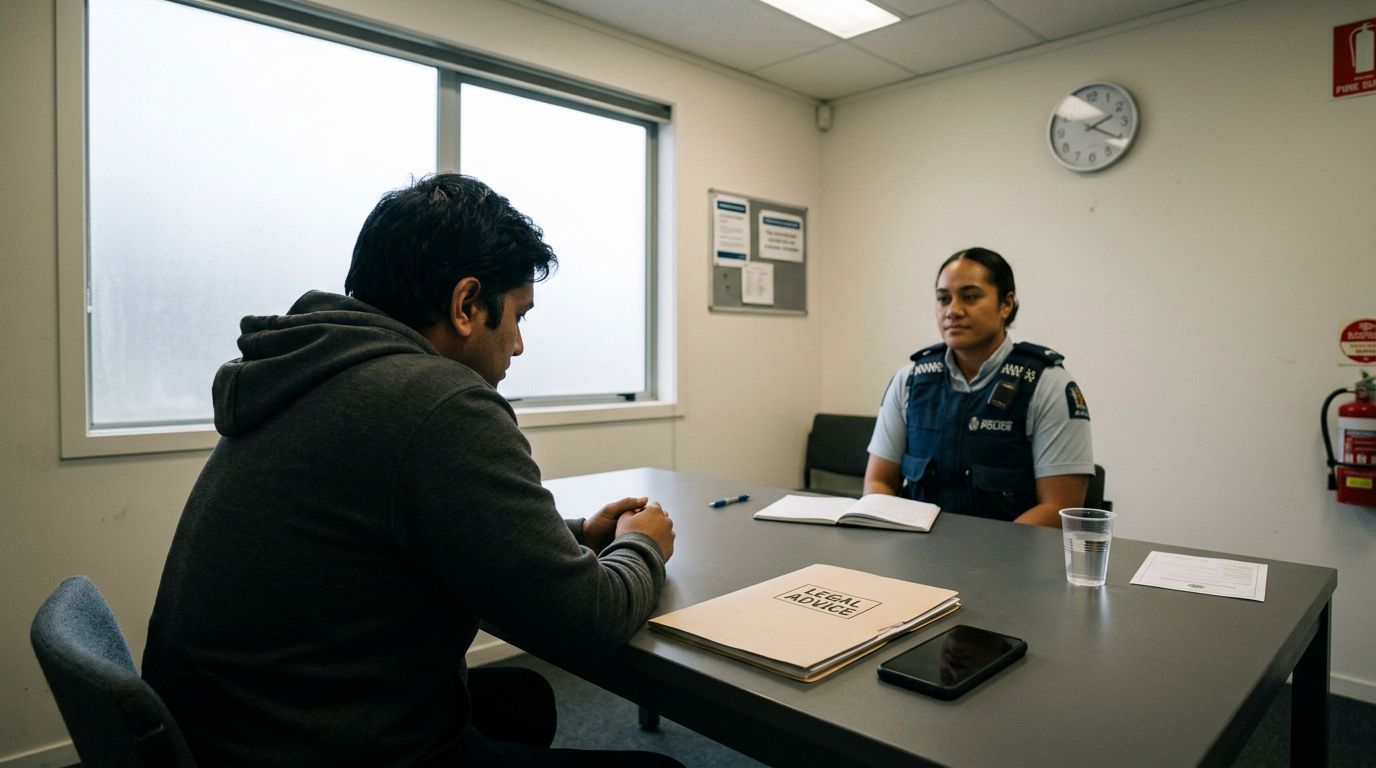
What happens when you go to the police station
The moment the New Zealand Police contact you regarding an allegation of sexual offending, your defence begins. It is common for people to feel that they should explain their side immediately to "clear things up." However, we advise that you exercise your right to silence until you have spoken with a lawyer. This is a fundamental right, not an admission of guilt. We have seen cases where well-intentioned statements made at the police station were later used by the prosecution to highlight minor inconsistencies, which can be damaging in a trial.
The police process involves several stages, including the initial interview, the collection of forensic evidence, and the formal laying of charges. During an investigation into sexual assault cases, the police may look for physical evidence, digital communications, or witness statements. In some instances, they may seek a "sexual assault kit" or DNA testing if the allegation is recent. They will also look into the health and well-being of the complainant, which may include medical records or evidence of posttraumatic stress disorder and depression and anxiety. These factors are often used to support the complainant’s account, but they must be carefully scrutinised by your defence team.
We provide guidance on navigating your rights and the court process in Auckland to ensure you do not inadvertently compromise your position. Whether you are dealing with the police in a major city or a smaller town, the rules remain the same. You have the right to private legal advice without delay. We are approved as Ministry of Justice PAL 1 to 4 legal aid providers, which means we can represent clients facing the most serious charges, including those carrying a maximum penalty of life imprisonment.
Building a defence against sexual assault allegations
A successful defence in sexual cases often relies on a meticulous analysis of the evidence and the context of the relationship. Many cases involve an intimate partner or someone known to the accused, where the central issue is consent. The law in New Zealand defines consent as a person's conscious and voluntary agreement to the sexual activity. If there is a reasonable doubt about whether consent was given, or whether the accused believed on reasonable grounds that consent was given, the prosecution cannot secure a conviction.
In our experience, we often focus on the following themes when building a defence:
Challenging the sufficiency of the evidence is the first step. We look for gaps in the police case and inconsistencies in the complainant's story. We also examine potential motivations for false allegations, which can sometimes arise from interpersonal violence or complicated relationship breakdowns. Scrutinising the reliability of memory and the impact of time on the reporting of an offence is also critical, as many sexual violence cases are reported months or even years after the alleged event.
We also address the issue of "rape myth acceptance" in jury trials. This involves the subconscious biases that people may hold about how a victim of sexual assault "should" behave. The court provides specific directions to juries to ensure they do not rely on these myths, but a skilled advocate must also be prepared to challenge any unfair assumptions that could prejudice the defendant. We use expert witnesses where appropriate to explain the complexities of human behaviour and the forensic realities of the case.
The penalties for these crimes are severe. Sexual violation and rape carry a maximum penalty of 20 years’ imprisonment. Indecent assault carries up to 7 years. In cases involving children, there is also the risk of being placed on the child sex offender register. Given these stakes, we treat every piece of evidence as a vital component of your future. You can read more about how we construct defences for sexual offences in Auckland on our dedicated service page.
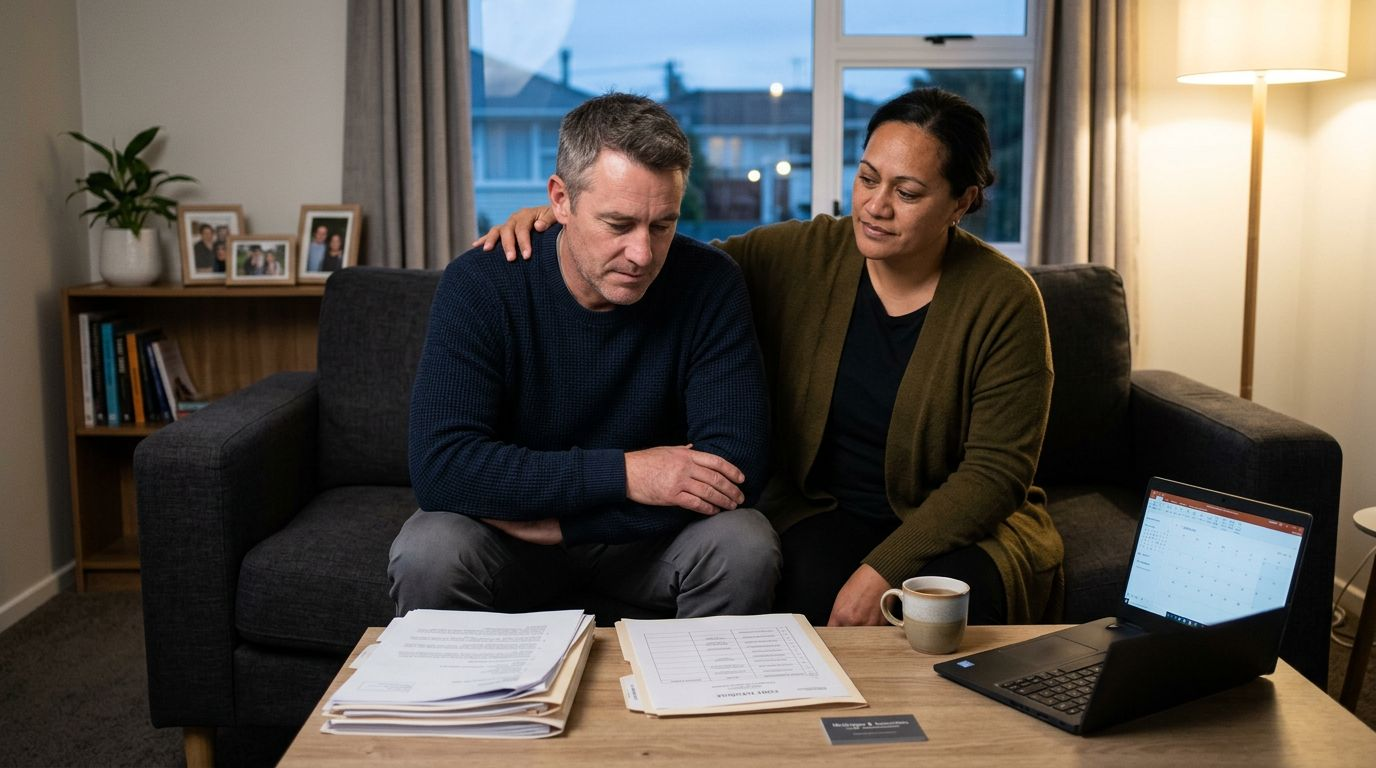
The long road: Timelines and the criminal justice system
The journey through the criminal justice system is a marathon. It is common for sexual assault cases to take two years or more to reach a final verdict. This period is often filled with uncertainty and stress, impacting your mental health and well-being. The Ministry of Justice monitoring reports confirm that these lengthy timelines are a systemic issue in New Zealand.
During this time, there will be multiple court appearances, including the first appearance, bail hearings, and pre-trial applications. We manage these procedural steps so you can focus on maintaining your life as much as possible. We also assist with applications for name suppression and variations to bail conditions, such as allowing you to continue working or travelling for essential purposes. Our role is to provide steady, professional support throughout the entire process, from the first police contact to the final decision in the District Court, High Court, or even the Court of Appeal.
We also understand the impact on your family and support services. Facing an allegation of violence against women or any form of sexual harassment can lead to social isolation. We encourage our clients to seek help and support from a crisis support service or a national sexual violence resource if they are struggling with the emotional weight of the proceedings. Having a strong legal team is essential, but having a personal support network is equally important for your long-term coping strategies.
Taking the first step toward your defence
If you have been accused of an offence such as attempted rape, unwanted sexual contact, or any form of sexual victimisation, the most important thing you can do is act quickly. The earlier we are involved, the more we can do to protect your rights and influence the direction of the police case. We have seen many instances where early legal intervention led to police decisions not to proceed with charges or to the withdrawal of charges before a trial.
We offer a confidential consultation where you can speak frankly and without judgment. We have defended serious sexual allegations, and we know how to handle the unique pressures of these cases. Whether you are concerned about the prevalence of sexual assault statistics or the specific details of your own situation, we are here to provide the direct, authoritative advice you need.
Costs for legal representation can vary depending on the complexity of the case and the length of the trial. We are committed to transparency regarding our fees and are happy to discuss funding options, including legal aid for those who qualify. Your future is too important to leave to chance. Contact us today to start building a strategic defence that protects your rights and your reputation.
_Disclaimer: This article provides general information about the New Zealand legal system and does not constitute formal legal advice. If you are facing criminal charges, you should consult with a qualified lawyer to discuss the specific details of your case._

About The Author
Daniel Schellenberg is a highly experienced criminal defence lawyer based in Auckland. With over 15 years of exclusive focus on criminal law, he is a Ministry of Justice-approved provider equipped to handle complex matters in both the District and High Courts.